
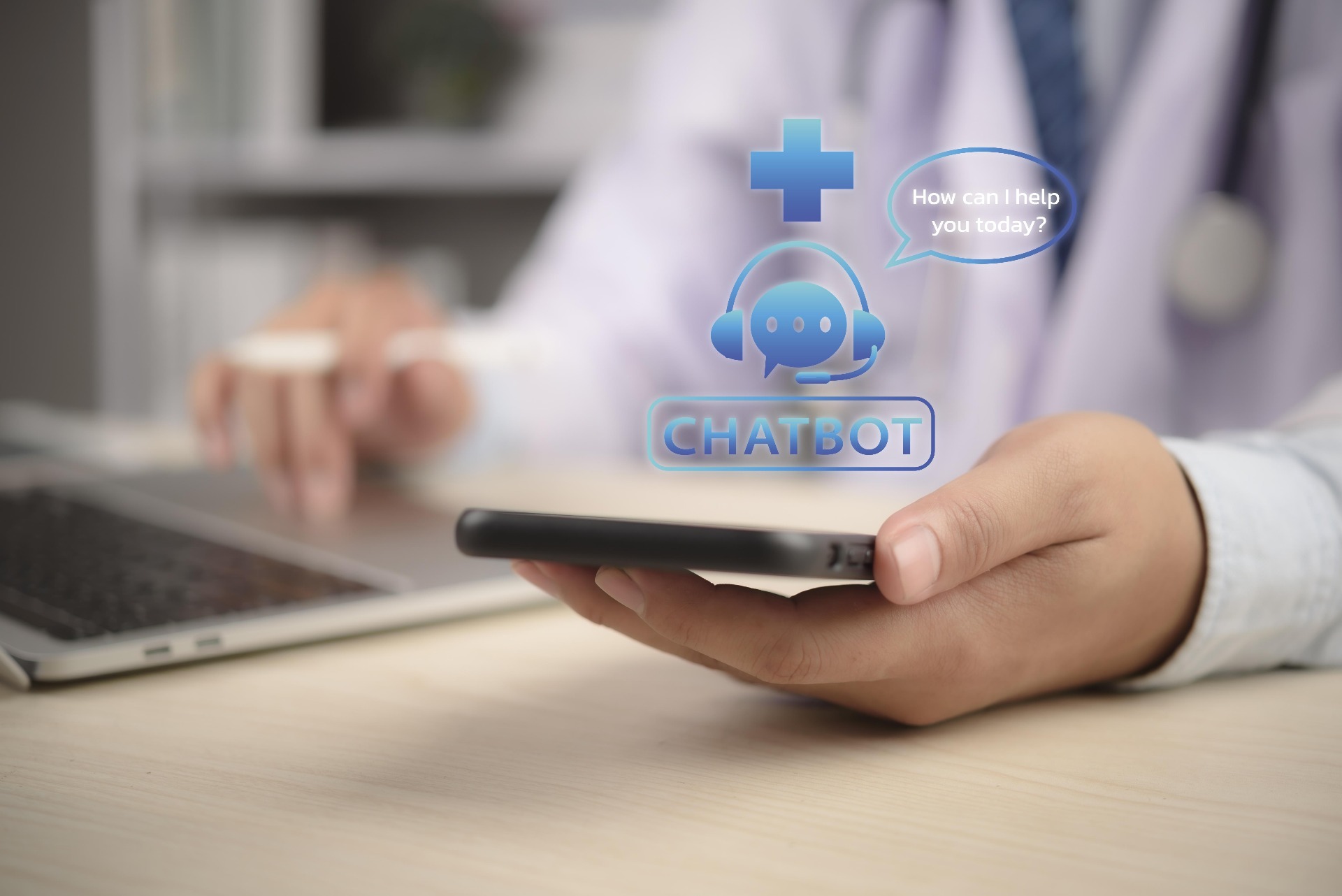
AI adoption in healthcare is accelerating. Among the most practical and scalable innovations is the AI chatbot in healthcare — a system designed to support patients, streamline customer service, and enhance clinical workflows.
Healthcare organizations are now implementing:
AI powered chatbot for healthcare platforms
Conversational AI chatbot for healthcare systems
AI based chatbot for healthcare triage
AI chatbot for patients
AI chatbot for customer service in hospitals and clinics
This comprehensive guide explores how AI chatbots are used in healthcare, real-world examples, benefits, comparisons with human professionals, and what to look for when choosing the best AI chatbot for healthcare.
What Is an AI Chatbot in Healthcare?
An AI chatbot healthcare solution is a conversational system that uses artificial intelligence, machine learning, and natural language processing (NLP) to interact with patients or healthcare staff.
Unlike traditional rule-based bots, modern systems can:
Understand free-text medical questions
Provide symptom triage guidance
Assist with appointment scheduling
Deliver medication reminders
Support chronic disease management
Improve customer service operations
Many enterprise solutions leverage AI infrastructure from companies such as Google Health and Microsoft to ensure scalability and compliance.
How AI Is Used in Healthcare
When people ask, “Can AI be used in healthcare?” the answer is already visible across multiple sectors.
AI is currently used in:
Medical imaging diagnostics
Predictive analytics
Electronic health record optimization
Virtual health assistants
Remote patient monitoring
Mental health chat support
AI chatbots represent one of the most accessible entry points for digital transformation because they directly interact with patients.
Key Use Cases of AI Chatbots for Healthcare
1. AI Chatbot for Patients (Symptom Triage & Guidance)
Patients increasingly use AI chatbots to:
Describe symptoms
Receive care recommendations
Determine urgency
Book appointments
This reduces unnecessary emergency department visits and improves care routing.
2. AI Chatbot for Customer Service in Healthcare
Administrative inefficiencies are costly. A best AI chatbot for customer service in healthcare should be able to:
Answer insurance questions
Handle appointment scheduling
Provide billing information
Send automated reminders
Reduce call center overload
For high-volume healthcare organizations, this can significantly lower operational costs.
3. Conversational AI Chatbot for Healthcare (Mental Health Support)
Mental health applications are among the fastest-growing chatbot categories.
One example is Woebot Health, which delivers CBT-based techniques through conversational AI.
Benefits include:
Immediate emotional support
Mood tracking
Guided coping exercises
Escalation recommendations
These tools complement — not replace — licensed professionals.
4. AI WhatsApp Bot for Healthcare
Messaging-based healthcare access is growing rapidly. AI WhatsApp bots can:
Confirm appointments
Deliver lab results notifications
Send medication reminders
Provide vaccination schedules
For regions with limited patient portal access, messaging bots improve engagement dramatically.
5. Chronic Disease Management
AI chatbots for health can monitor:
Blood glucose levels
Blood pressure trends
Asthma symptoms
Medication adherence
Automated alerts allow providers to intervene earlier.
AI Chatbots Versus Human Healthcare Professionals
A common debate is AI chatbots versus human healthcare professionals.
Here’s a clear comparison:
FactorAI ChatbotHuman ProfessionalAvailability24/7Limited by scheduleEmotional intelligenceLimitedHighClinical judgmentAlgorithm-basedExpert reasoningScalabilityUnlimited conversationsLimited capacityComplex diagnosisNot appropriateEssential
AI chatbots are best positioned as assistive tools, not replacements.
AI Chatbot Benefits in Healthcare
When evaluating AI chatbot benefits, consider both patient and organizational impact.
For Patients
Instant responses
24/7 availability
Reduced waiting times
Improved access in rural areas
Increased engagement
For Providers
Reduced administrative burden
Lower operational costs
Improved triage efficiency
Better patient data collection
Enhanced digital experience
AI Chatbot Example in Healthcare
An AI chatbot example in a hospital might include:
Patient visits website
Chatbot asks structured intake questions
System triages urgency
Appointment automatically scheduled
Reminder sent via SMS
Post-visit follow-up survey triggered
This workflow reduces manual effort while improving patient satisfaction.
What Is the Best AI Chatbot for Customer Service in Healthcare?
There is no universal “best AI chatbot.” The right platform depends on:
Regulatory compliance (HIPAA, GDPR, Australian Privacy Principles)
EHR integration capabilities
Clinical oversight
Natural language accuracy
Escalation protocols
Security infrastructure
Leading AI chatbot companies focus on healthcare-specific compliance and data privacy frameworks.
Medical AI Chatbot Free vs Enterprise Solutions
Some organizations search for medical AI chatbot free options.
While free tools may be useful for experimentation, healthcare environments typically require:
Encrypted data storage
Secure cloud hosting
Regulatory compliance
Ongoing clinical review
Dedicated support
For patient safety and liability management, enterprise-grade solutions are strongly recommended.
AI Chatbot Companies in Healthcare
Several categories of companies are active in this space:
Enterprise tech firms
Digital health startups
EHR vendors integrating conversational AI
Telehealth platforms
Specialized mental health AI companies
Healthcare leaders should evaluate vendors based on clinical governance, transparency, and data protection standards.
Risks and Ethical Considerations
Despite the benefits, AI chatbots in healthcare present risks:
Misinterpretation of symptoms
Data security vulnerabilities
Algorithmic bias
Over-reliance by patients
Liability ambiguity
Clear disclaimers and escalation pathways are essential.
The Future of AI Powered Chatbots for Healthcare
Emerging advancements include:
Multilingual AI chatbots
Voice-enabled healthcare assistants
Integration with wearable health devices
Predictive risk detection
Generative AI note summarization
As conversational AI matures, it will become more context-aware and integrated across healthcare systems.
Frequently Asked Questions
Can AI be used in healthcare safely?
Yes — when deployed with clinical oversight, regulatory compliance, and clear usage boundaries.
What is the best AI chatbot?
The best AI chatbot depends on use case, compliance requirements, integration needs, and patient population.
Are AI chatbots better than human healthcare professionals?
No. They are complementary tools designed to improve efficiency and access — not replace clinical expertise.
Are AI chatbots for healthcare secure?
They can be secure if built with encryption, HIPAA compliance, and proper data governance frameworks.
Conclusion
AI chatbots for healthcare are transforming patient communication, customer service operations, and digital triage systems.
Whether implemented as:
An AI chatbot for patients
An AI powered chatbot for healthcare triage
A conversational AI chatbot for healthcare support
An AI WhatsApp bot for healthcare engagement
These systems offer measurable efficiency gains and improved accessibility.
However, responsible implementation is critical. Healthcare AI must operate within strict ethical, legal, and clinical standards.
For healthcare organizations exploring digital transformation, AI chatbots represent a practical, scalable, and forward-looking solution — provided they are deployed strategically and safely.